Spark a Lifelong Love for Stories Through Thrilling Adventures
Did you know that children who engage with imaginative, action-packed narratives are more likely to develop stronger vocabulary, comprehension, and critical thinking skills? Adventure-themed reading doesn’t just entertain—it transforms literacy into an exciting journey, especially for young readers who thrive on movement, discovery, and hero-driven plots. By weaving dynamic elements like daring missions, outdoor exploration, and courageous characters into stories, parents and educators can tap into a child’s natural curiosity and love for action.
This approach is particularly effective in today’s screen-filled world, where capturing a child’s attention requires more than static text. Adventure books—whether set in jungle wilderness, motocross tracks, or distant galaxies—offer immersive experiences that build emotional investment in reading. Readers aren’t just decoding words; they’re racing alongside heroes, solving problems, and exploring new worlds, all of which reinforce key literacy milestones.
In this guide, you’ll discover how to:
- Choose age-appropriate adventure stories that match your child’s interests
- Use themed books to encourage reading in outdoor and active settings
- Support comprehension through imaginative play and story-based discussions
Get ready to turn reading into an expedition your child won’t want to miss.
Top 5 Adventure-Themed Topics That Captivate Young Readers
Spark imagination and nurture lifelong reading habits by tapping into themes that naturally thrill kids. Adventure-based stories not only entertain but also build confidence, curiosity, and comprehension. Here are five high-engagement adventure themes proven to inspire young readers to pick up books regularly—perfect for parents and educators in Crossville and beyond looking to make reading an exciting daily habit.
- Jungle Expeditions and Lost Temples Transport young minds to lush rainforests teeming with mystery. Stories featuring hidden ruins, ancient maps, and rare creatures ignite problem-solving skills and geographic curiosity. Use props like DIY compasses or jungle sound playlists to deepen engagement—turning reading into an immersive, multisensory experience that kids want to return to.
- Underwater Exploration and Sea Mysteries From deep-sea submersibles to glowing sea creatures, ocean adventures appeal to kids’ sense of wonder. Themes of marine conservation and teamwork shine here, subtly teaching responsibility. Pair reading with local aquarium visits or beachcombing trips in Alabama’s Gulf Coast region to reinforce learning.
- Space Missions and Alien Encounters Interstellar journeys fuel STEM interest and cosmic curiosity. Books centered on moon bases or Mars colonies encourage scientific thinking and vocabulary growth. Try a “reading mission log” where kids track each chapter like a space report.
- Mountain Climbing and Wilderness Survival Tales of summiting peaks or navigating forests teach resilience and preparation. These stories resonate with outdoor-focused families, especially in scenic areas like Crossville’s Highland Rim, where trail adventures blend real life with reading.
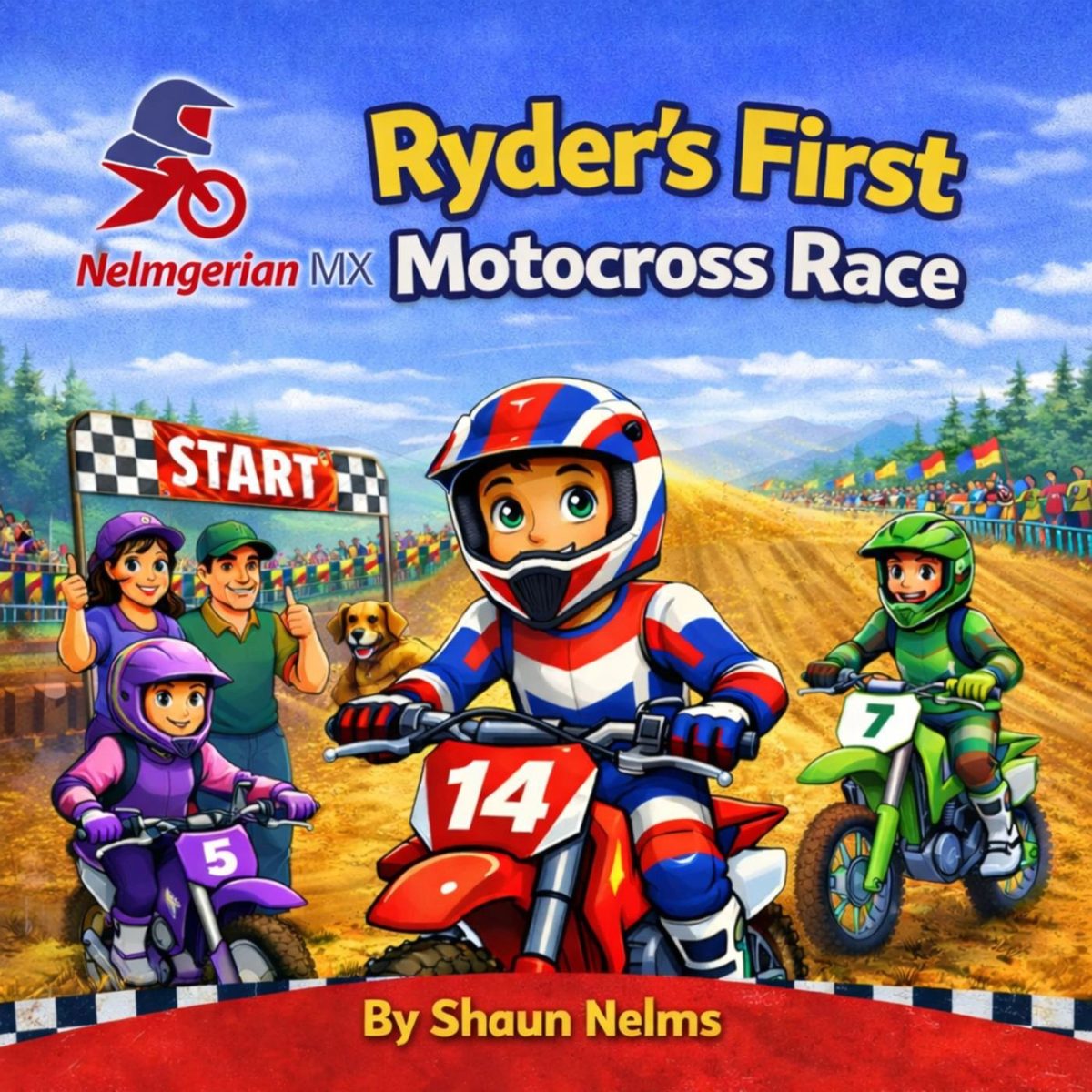
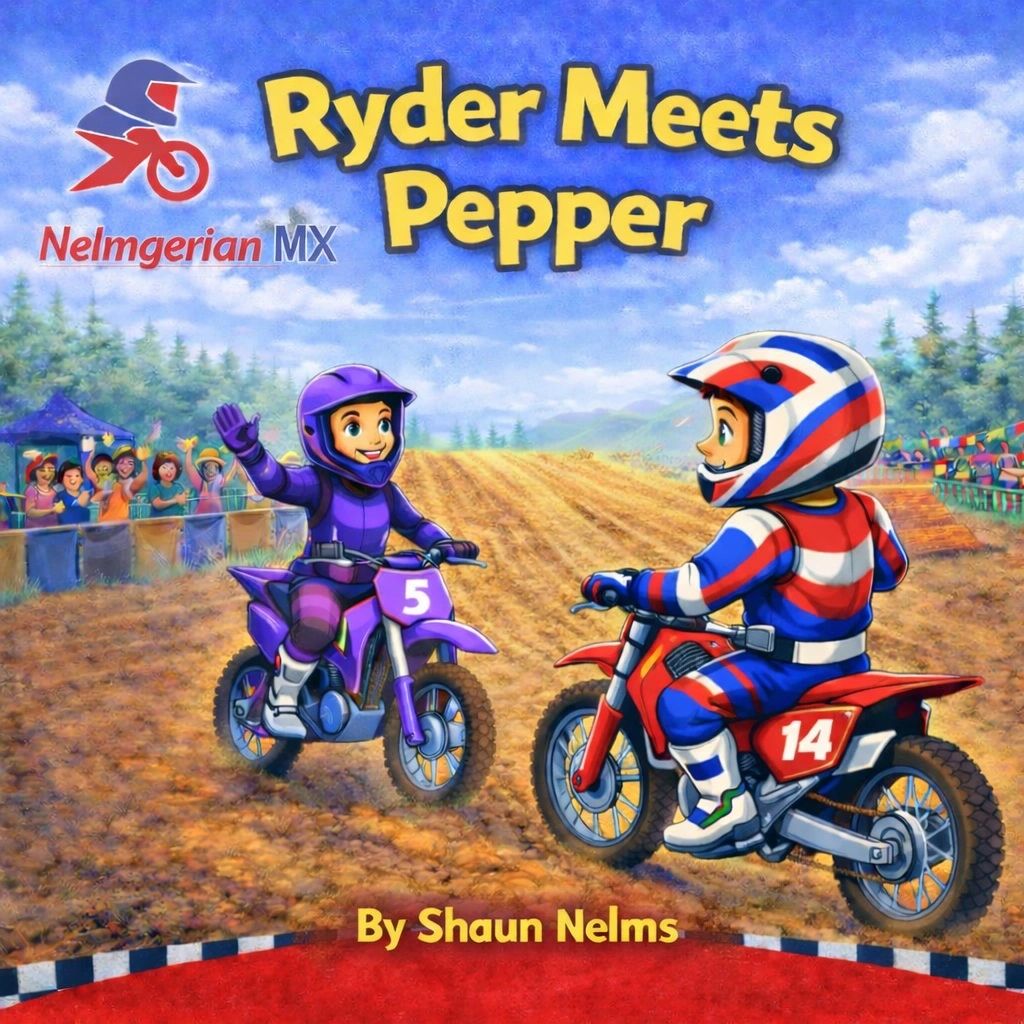
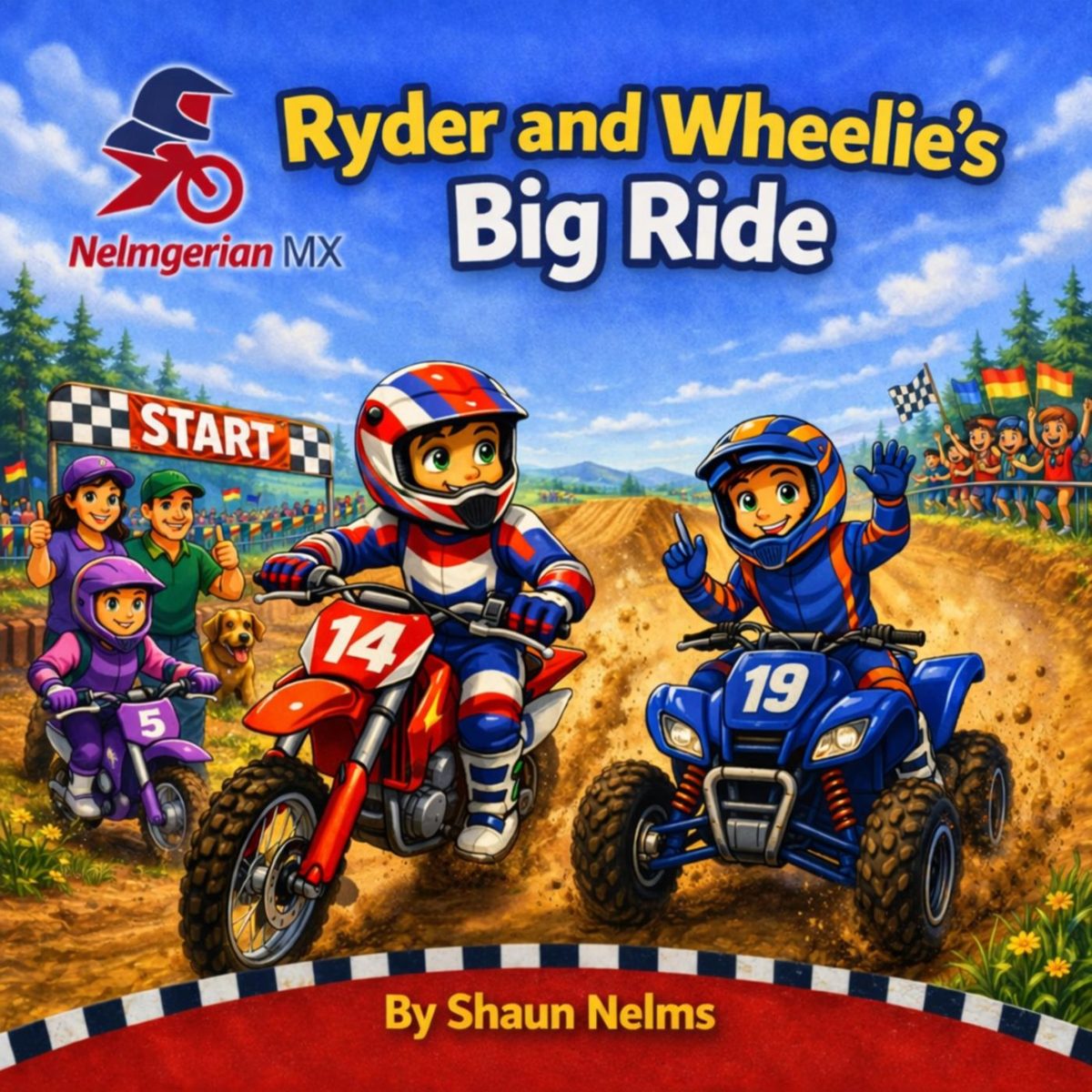
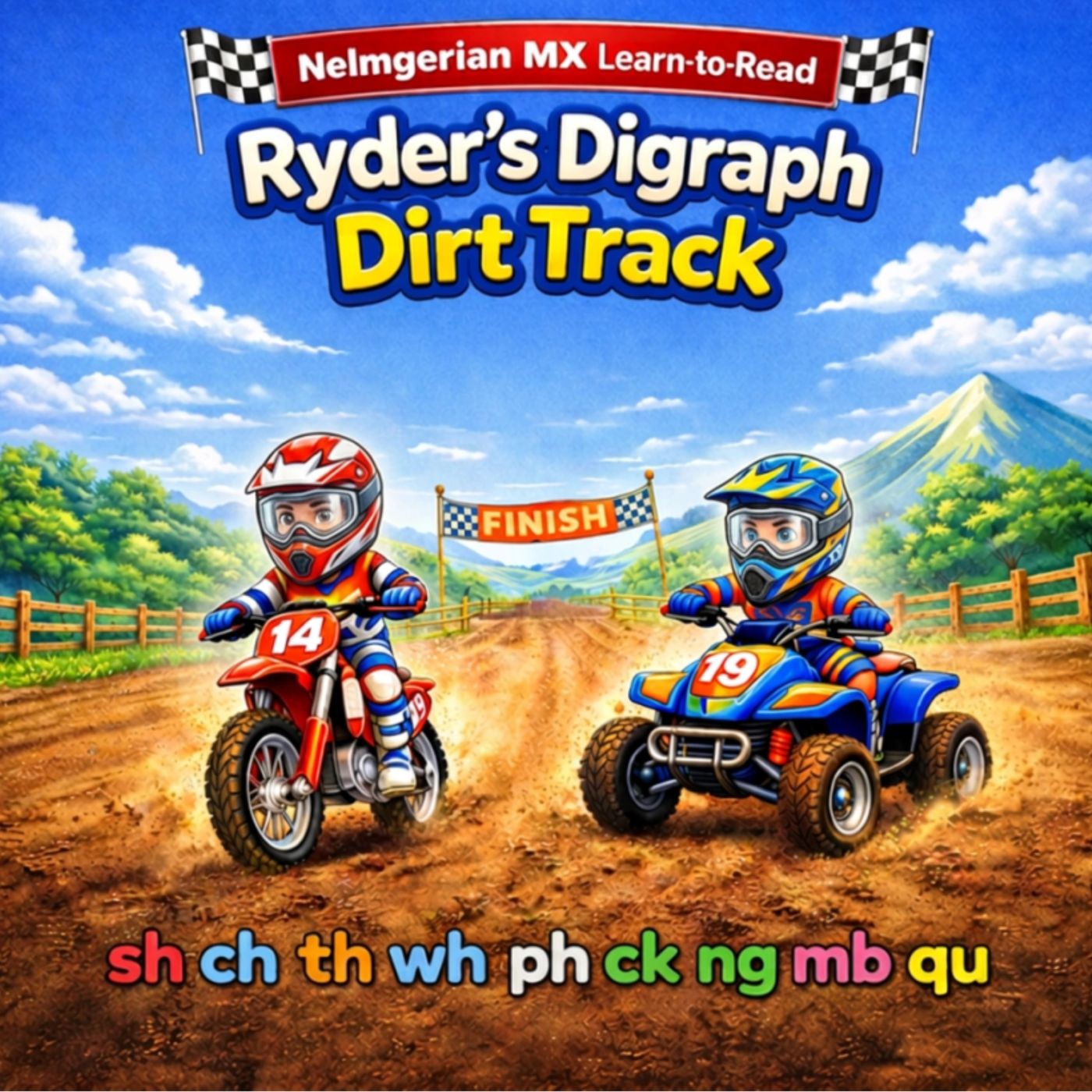
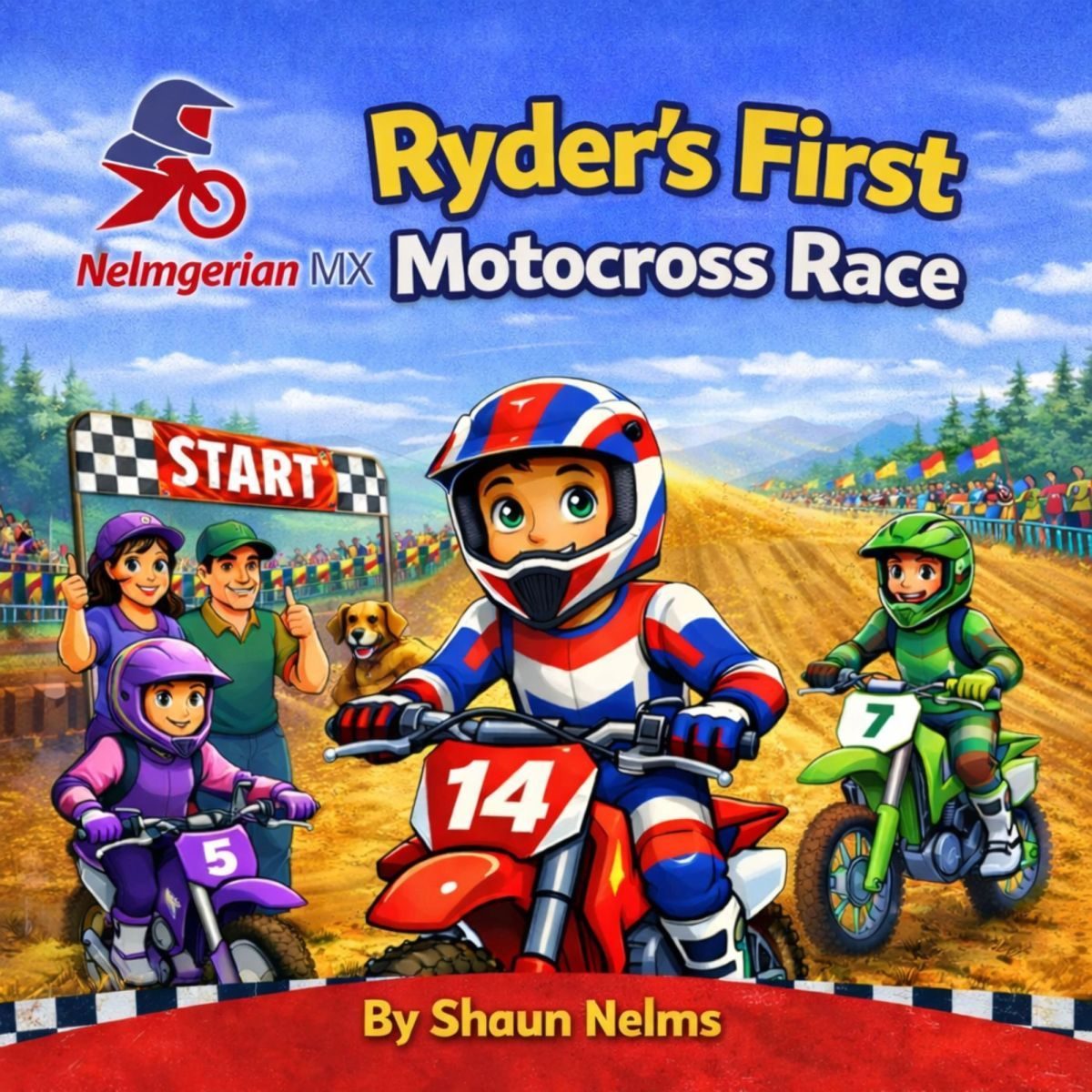
- Motocross Quests and Off-Road Challenges High-speed, dirt-biking adventures combine action with lessons in discipline and focus—ideal for energetic readers. Narratives that follow young riders overcoming obstacles promote grit and goal-setting, turning reading into a pit stop on every young explorer’s journey.
Boost Learning Through Movement: Why Active Storytelling Works Wonders for Kids
Combining physical activity with storytelling isn’t just fun—it’s a powerful tool for child development. When kids move while engaging with stories, they’re more likely to retain information, improve comprehension, and develop stronger cognitive skills. This dynamic pairing enhances neural connectivity, making learning more effective and memorable.
Active storytelling encourages kids to embody characters and plot points, turning abstract ideas into tangible experiences. Whether acting out a hero’s journey through an obstacle course or reenacting scenes from a motocross adventure in the backyard, children build critical thinking, creativity, and emotional intelligence. The physical component reinforces the narrative, helping young minds connect cause and effect, sequence events, and understand character motivation.
For parents and educators in communities across Alabama and beyond, integrating movement into reading time can be simple:
- Walk through a story’s plot using gestures and actions
- Create story-based scavenger hunts in parks or schoolyards
- Pair audiobooks with safe outdoor trails or riding paths
These strategies are especially effective in encouraging reluctant readers. Movement lowers mental barriers, reduces reading anxiety, and increases engagement. When stories come alive through action, kids don’t just read about adventure—they experience it. This approach nurtures lifelong learners by making knowledge active, personal, and adventurous.
How to Answer Parents' Top Questions About Engaging Kids in Reading Adventures
How can I get my child interested in books when they’d rather play outside? Connecting reading to real-world adventures helps bridge the gap between imagination and activity. Choose books that feature outdoor exploration, sports, or nature themes—genres that naturally appeal to active kids. Read together after a hike, bike ride, or day at the park to tie stories to physical experiences. In locations like Crossville, where outdoor culture thrives, local landscapes can become part of the narrative, making books feel more relevant and exciting.
What if my child only likes one type of book or refuses to try new ones? Stickiness around a single genre is normal. Use their preferred theme—like motocross or adventure sports—as a gateway to similar titles. Introduce books with strong visuals, short chapters, or interactive elements to keep attention. Gradually expand their horizons by pairing familiar topics with new settings or characters.
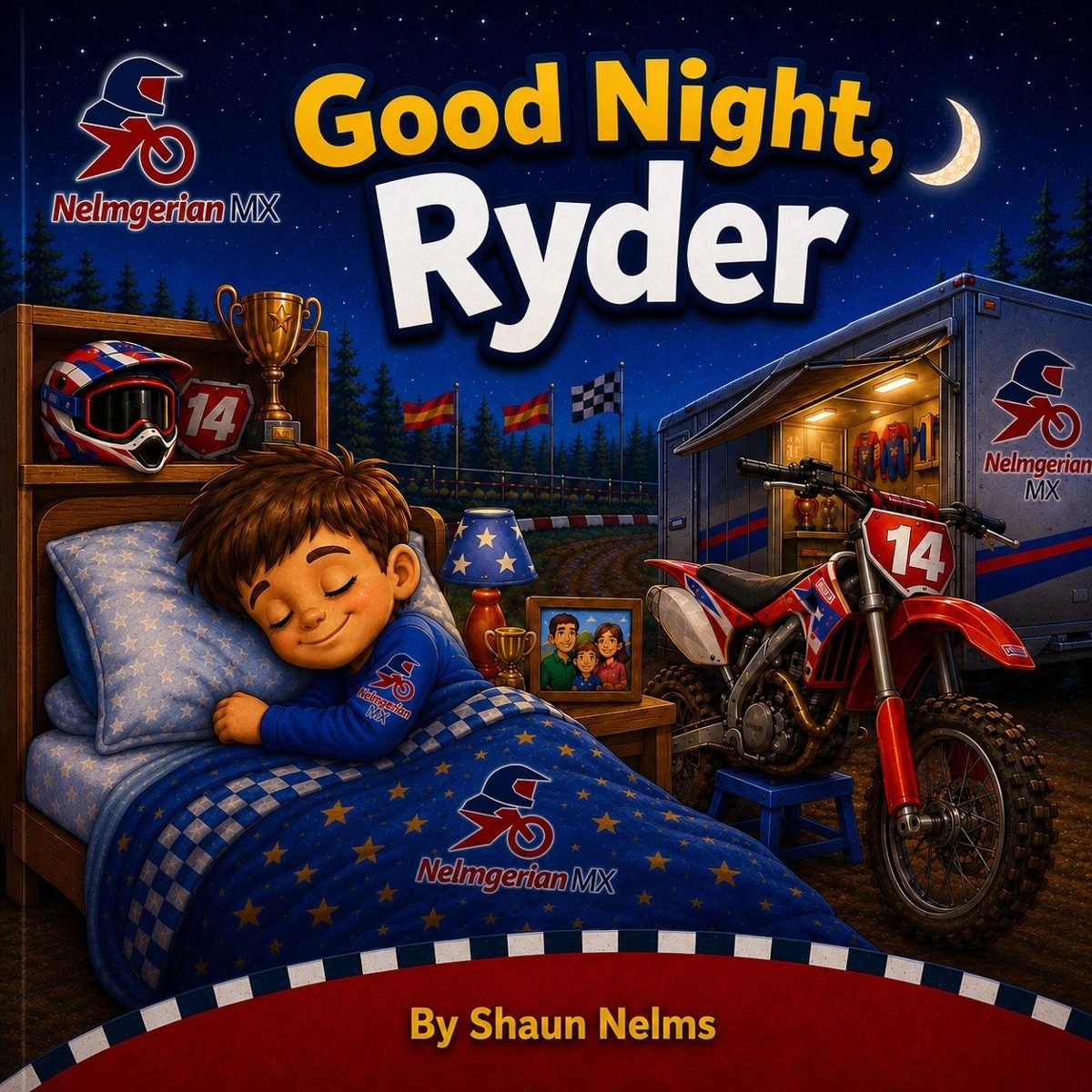
How much reading time should my child do daily? Aim for 15–20 minutes of focused reading each day. Consistency matters more than duration. Make it a ritual—like bedtime stories or weekend reading at a local café—that feels enjoyable, not forced.
My child reads, but doesn’t seem to retain anything. What can I do? Engage them with questions: “What do you think will happen next?” or “How would you ride that trail?” This builds comprehension and critical thinking.
Is it okay to re-read the same book over and over? Absolutely. Repetition builds fluency, confidence, and deeper understanding. Celebrate their favorite reads as stepping stones, not setbacks.
How do I find books that match my child’s reading level and interests? Look for leveled readers with high-interest plots—especially those featuring action, humor, or real-life exploration. Check your local library or bookstore in Alabama for curated kids’ adventure collections.
Can themed apparel or gear really boost a child’s interest in reading? When kids wear gear tied to their favorite stories—like motocross-themed reading collections—they form a personal connection. It turns reading into an identity, not just an activity.
Spark Lasting Curiosity Through Adventure and Connection
Cultivating a lifelong love of reading in children isn’t just about handing them a book—it’s about linking stories to the world around them. By integrating adventurous themes like motocross, nature exploration, and real-world experiences, families and educators can create powerful reading connections that resonate deeply. When kids see reading as a gateway to action, discovery, and excitement, they’re far more likely to engage consistently and independently.
Key strategies include choosing themed literature that mirrors real-life activities, visiting local trails or parks to bring stories to life, and celebrating milestones like finishing a chapter book with a related outdoor adventure. These intentional connections transform reading from a chore into a dynamic, rewarding experience.
To sustain momentum, build a reading routine that blends books with hands-on learning—read about racers one night, then visit a local motocross event the weekend. Keep adventure-themed books accessible at home, in classrooms, or during travel to encourage spontaneous reading.
The goal is simple: inspire curiosity that grows beyond the page. Start today by pairing a story with a short outdoor expedition—your next great family adventure begins with a single chapter.